Programs
Research areas
Each program is designed and led by a faculty mentor in their own field. Projects are one-on-one and online, and end with a written research report and a final presentation. The exact topic is shaped around the student's background and interests.
Geometric Analysis: Curves and Curvature Flows
Start from the geometry of curves and how curvature drives their motion. Students read a classical paper with their mentor, fill in the steps the authors left out, and extend one idea into a result of their own.

Algebraic Topology: From Polygons to Surfaces
Why are a coffee mug and a doughnut “the same”? Students learn to glue polygons into surfaces, classify them, and compute the fundamental group.

Artificial Intelligence and Machine Learning
Students build up from linear regression and neural networks to how AI learns to play games and how models can be trained while protecting privacy.

Cryptography
Students begin by breaking classical ciphers, then learn the number theory behind modern encryption, take apart RSA and digital signatures, and study how blockchains reach agreement without a central authority.

AI for the Subsurface
Students use machine learning on well and seismic data to infer what lies underground, with applications in carbon storage, geothermal energy and groundwater.

Medical Imaging and AI
Students learn how CT and MRI form images, then use Python to filter and segment real medical images.

Stem Cells and Disease Modeling
Students learn how induced pluripotent stem cells are used to study disease, and develop a research plan of their own.
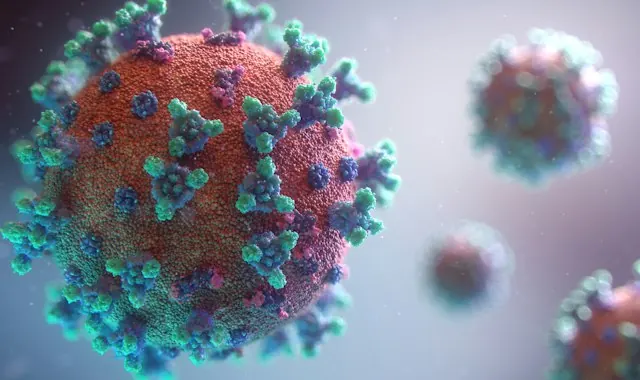
Cancer Immunology and Vaccines
Students start from how the immune system recognizes tumors, then explore vaccines and antigen design around a question of their own.

Environmental Nanoscience
Students choose a nanoparticle, study how it forms and how it affects water, soil or air, and propose a solution to a real environmental problem.

Economic Growth and Macroeconomic Data
Students work with national data, apply growth models, and estimate long-run trends for the countries they choose.
Global Marketing Communication
How do global brands stay consistent while adapting to local markets? Students analyze real campaigns through case studies.

Design Research and Portfolio
Students develop the ideas behind their design work: research, precedent analysis and a clear design argument for their portfolio.

Screenwriting
Students learn what each scene does in a story and revise a short-film script through three drafts.

Multi-Armed Bandit Algorithms
Students investigate how sequential decision algorithms operate under uncertainty, analyzing the trade-off between exploration and exploitation through strategies such as upper confidence bounds and Thompson sampling. Applications span personalized recommender systems and adaptive clinical trials. The final research question is shaped with the mentor around the student’s background.
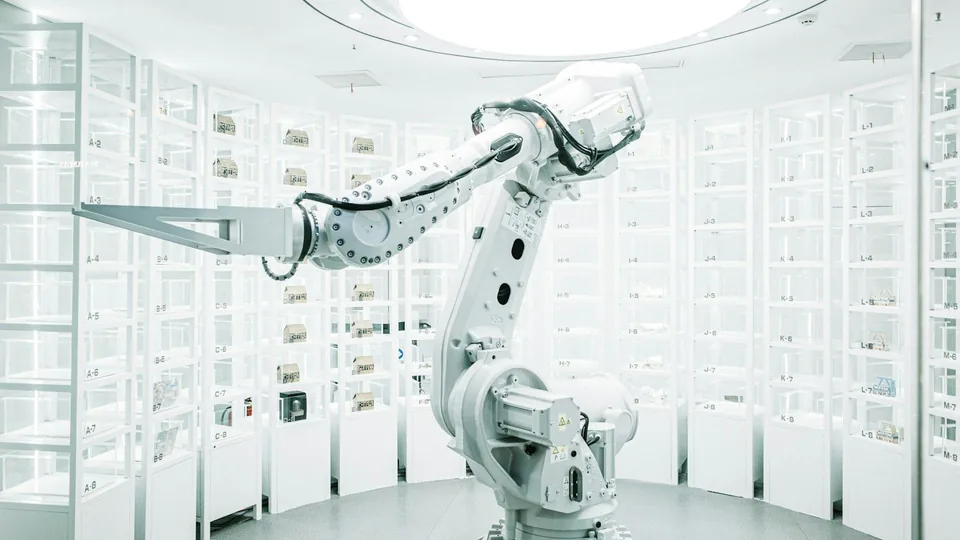
Machine Learning for Autonomous Robotics
Students examine how machine learning models enable robotic perception, adaptive control, and autonomous decision-making. Projects link visual sensing and neural networks to path planning and object detection on mobile robotic platforms. The specific research problem is tailored with the mentor to match the student’s technical background.

Natural Language Processing and Computational Linguistics
Students explore how computational models represent and analyze human language, spanning language modeling, syntactic analysis, machine translation, and sentiment analysis. Work combines linguistic theory with Python-based evaluation of modern large language models. Together with the mentor, each student defines a focused research question suited to their background.
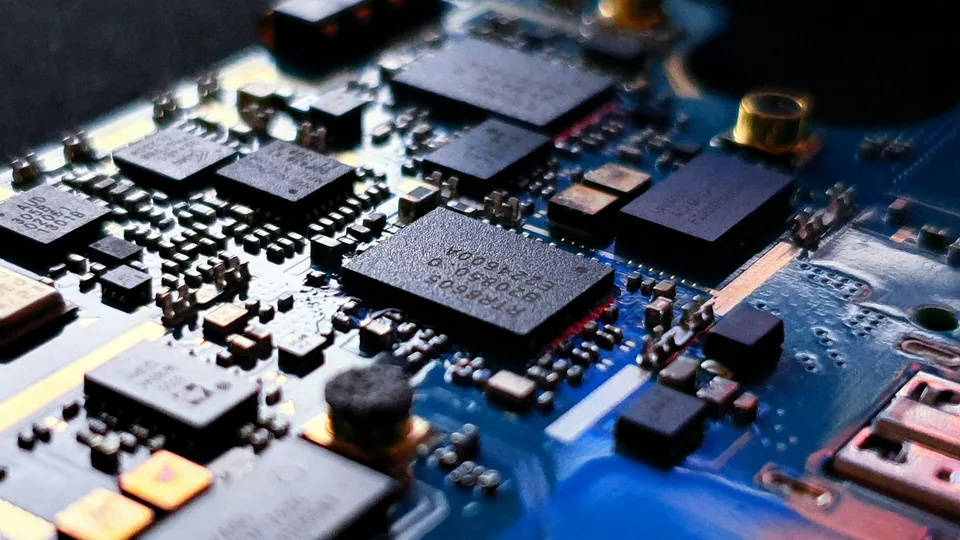
Circuits, Semiconductor Devices, and Electrical Systems
Students analyze electronic circuit theory alongside the physics of semiconductor devices, from operational amplifiers and digital logic architectures to MOSFET modeling and modern microfabrication processes. Investigations connect mathematical models of circuit behavior with sensor, actuator, and microelectronic system design. The exact research question is defined with the mentor around the student’s preparation.

Deep Learning Research
Students engage with frontier methods in deep learning across domains such as computer vision, natural language processing, and healthcare analytics. Projects move from surveying recent literature to designing experiments and evaluating algorithmic improvements on real datasets. The final research focus is shaped jointly with the mentor to fit the student’s background.

Quantitative Risk Management and Financial Markets
Students study how financial institutions measure and manage market, credit, and model risk under evolving regulatory frameworks. Analytical work applies quantitative models such as Value at Risk and counterparty credit modeling to real market episodes and institutional case studies. The specific research question is refined with the mentor according to the student’s background.
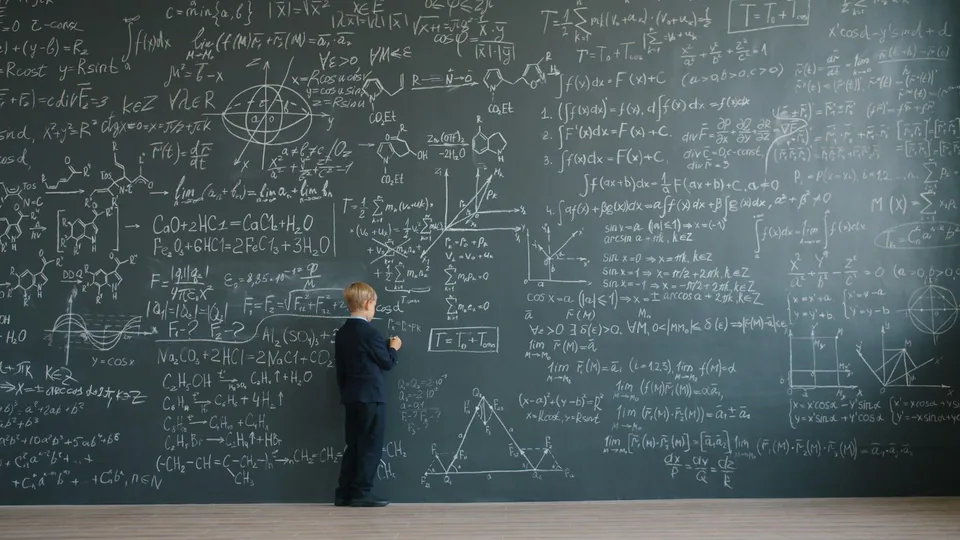
Mathematical Statistics and Multi-Criteria Decision Modeling
Students investigate statistical modeling, numerical computation, causal inference, and multi-criteria decision analysis—including analytic hierarchy processes and ranking methods—applied to complex empirical systems such as urban mobility and transportation networks. Each student formulates a concrete research problem with the mentor aligned with their mathematical background.

Applied Macroeconomics and Monetary Policy
Students examine the macroeconomic forces linking real output, inflation, unemployment, interest rates, and global capital flows. By analyzing central-bank communications, business cycles, and fiscal interventions, students evaluate how policy trajectories shape national economies and firm behavior. The research question is developed with the mentor around the student’s background.

International Trade and Exchange Rate Policy
Students analyze the economic determinants of international trade flows, tariff and non-tariff interventions, and foreign exchange rate dynamics. Drawing on trade theory and contemporary policy cases, investigations weigh the efficiency and distributional effects of trade regimes. The final topic is shaped with the mentor to match the student’s background.

Microeconomic and Behavioral Economics
Students study how households, firms, and policymakers make decisions under incentives, imperfect competition, and behavioral biases. Research spans market failure, strategic interaction, and global economic policy debates to test how economic frameworks explain real-world outcomes. The exact research question is shaped with the mentor around the student’s interests and preparation.

Financial Engineering and Time-Series Analysis
Students apply advanced regression methods, econometric modeling, and time-series analysis to quantitative finance problems. Projects examine asset pricing, market volatility, financial risk estimation, and portfolio optimization using empirical financial data. The specific research problem is calibrated with the mentor around the student’s quantitative background.

Molecular and Behavioral Neuroscience
Students investigate the structure and function of the nervous system from cellular signaling to complex behavior, exploring how electrical and chemical pathways assemble into functional neural circuits. Research engages methods from neuroimaging, electrophysiology, and clinical neurobiology to examine neural mechanisms of behavioral and psychiatric disorders. The final research question is shaped with the mentor around the student’s background.
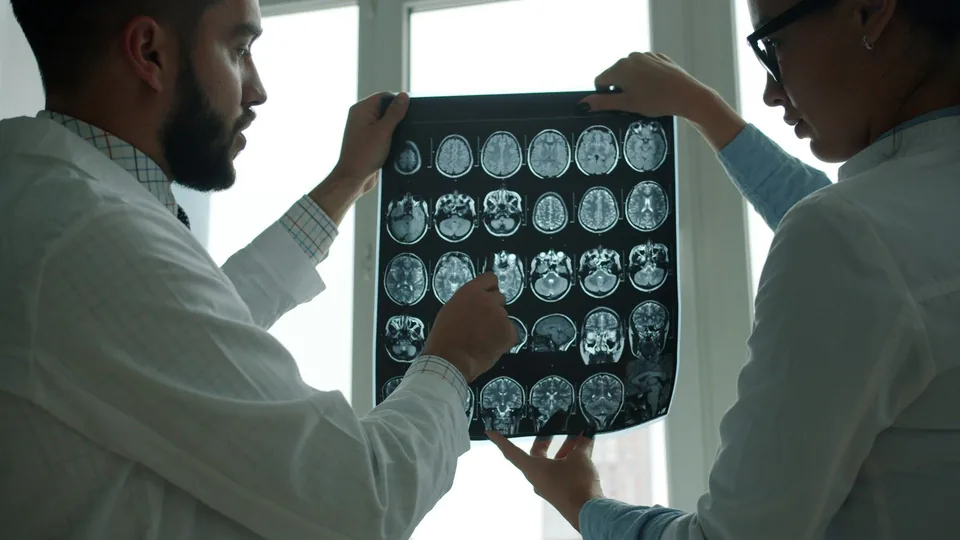
Neuroradiology and Head and Neck Imaging
Students examine diagnostic neuroimaging modalities, scan sequences, and neuroanatomy to analyze pathologies of the brain, head, and neck. Through structured evaluation of clinical imaging features and uncommon disease presentations, students develop rigorous diagnostic and analytical reasoning. The final research focus is defined with the mentor around the student’s background.

Human-Centered AI and Real-World Applications
Students analyze how artificial intelligence systems succeed or fail when deployed to address complex societal challenges, evaluating algorithmic trade-offs across real-world datasets. Work emphasizes human-centered AI principles to design accountable, reliable technical solutions matched to concrete problem constraints. Each research question is shaped with the mentor around the student’s background.
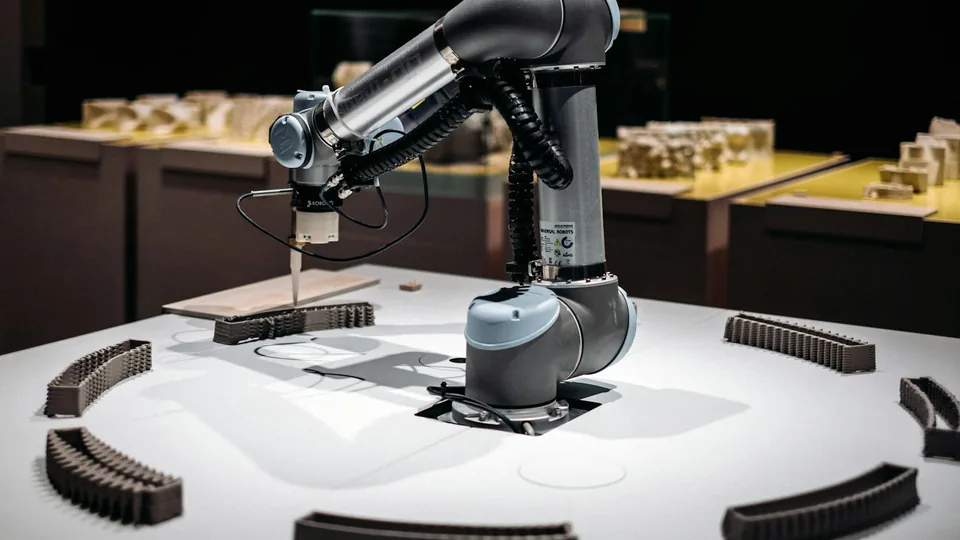
Robot Motion Generation
Students study the mathematical and algorithmic foundations that allow manipulators and mobile robots to plan safe, purposeful motion in unstructured environments. Research spans robot kinematics, trajectory optimization, sampling-based motion planning, and data-driven learning approaches that accelerate planning efficiency. The final research question is developed with the mentor to fit the student’s background.
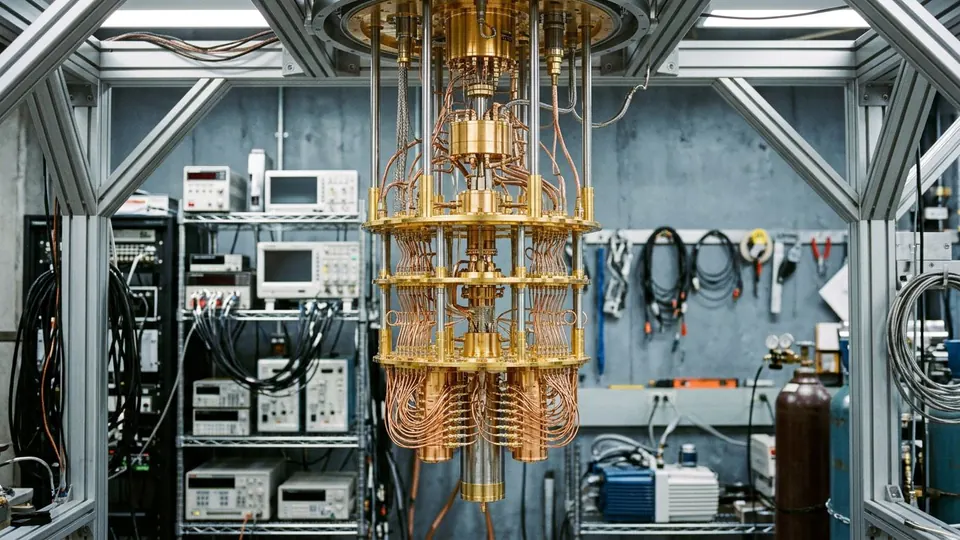
Quantum Mechanics and Quantum Computing
Students explore core principles of quantum mechanics—from the Stern-Gerlach experiment, wavefunctions, and tunneling to qubits, quantum gates, and operator formalisms. Investigations bridge theoretical derivations with computational modeling and quantum programming depending on the student’s aims. The exact research question is shaped with the mentor around the student’s preparation.
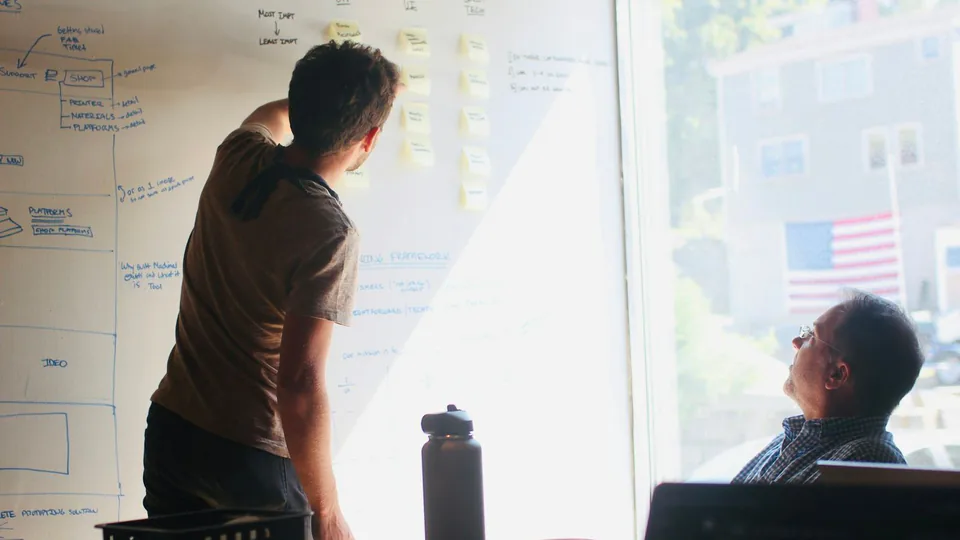
Funding Entrepreneurial Ventures
Students examine how early-stage ventures raise capital and how institutional investors evaluate, price, and structure private equity and venture deals. Analytical work covers market sizing, competitive positioning, due diligence, valuation, and exit modeling across real startup cases. The research question is shaped with the mentor around the student’s interests and background.

Competitive Strategy and Business Innovation
Students investigate how firms build and sustain competitive advantage amid technological disruption and shifting industry structures. Research applies strategic frameworks—such as industry structure analysis, resource-based valuation, and business model innovation—to evaluate corporate decisions and formulate evidence-based strategic alternatives. The final topic is refined with the mentor around the student’s background.

Architectural Typologies and Urban Change
Students investigate how rapid ecological and social shifts reshape contemporary cities and transform architectural typologies. Combining urban fieldwork methods with critical analysis of spatial decisions and user behavior, students develop an evidence-based architectural intervention for a chosen building type. The research scope is shaped with the mentor around the student’s background.
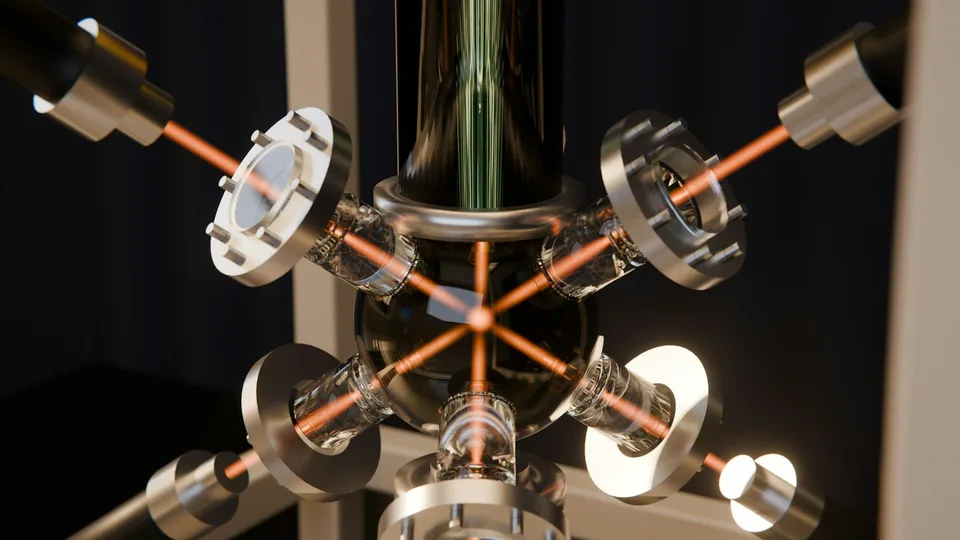
Organic Electronic Materials and Devices
Students study the chemistry and solid-state physics underlying organic semiconductors, conjugated polymers, and charge transport in thin-film devices. Research explores structure-property relationships across OLEDs, organic transistors, photovoltaics, and flexible electronic architectures that surpass rigid inorganic systems. The final research question is shaped with the mentor around the student’s background.

Nanomaterials and Materials Chemistry
Students investigate how chemists and materials scientists design, synthesize, and characterize matter at the nanoscale—from polymers and nanocomposites to biomaterials, quantum dots, and two-dimensional materials. Projects focus on structure-function relationships and the theoretical and analytical tools used to test material performance. The exact research question is shaped with the mentor around the student’s background.

Micro-Electromechanical Systems and Nanotechnology
Students examine the engineering principles and fabrication processes behind micro-electromechanical systems (MEMS) and nanoscale devices, spanning photolithography, thin-film deposition, etching, and microsensor integration. Work connects microfabrication trade-offs with mechanical, optical, and electronic device performance. Together with the mentor, each student defines a research question tailored to their background.

Personality Psychology and Behavioral Research
Students explore contemporary theories and empirical methods in personality psychology, examining how enduring patterns of thought, emotion, and behavior interact with biological and cultural factors. Projects engage psychometric evaluation and experimental design across themes such as self-compassion, creativity, and interpersonal dynamics. The final research question is shaped with the mentor around the student’s background.

Advertising, Marketing, Culture, and Media
Students examine how media ecosystems, cultural norms, and globalization shape advertising and marketing communication across international markets. Through interdisciplinary theory and empirical case analysis, students investigate the strategic tension between global brand coherence and local cultural adaptation. The specific research question is shaped with the mentor around the student’s background.

Automotive User Interfaces and Interaction Design
Students investigate human-computer interaction in intelligent mobility and emerging computing environments, spanning multimodal displays, external interfaces for autonomous vehicles, and speculative interaction design. Work combines prototyping with user-centered evaluation of safety, usability, and accessibility. The final research question is tailored with the mentor around the student’s background.

Medical Anthropology
Students examine health, illness, suffering, and healing through cross-cultural anthropological inquiry, analyzing how biology intersects with clinical institutions, lived experience, and structural inequality. Research draws on ethnography and social theory to investigate contemporary challenges such as chronic illness, trauma, and humanitarian medicine. The final research question is shaped with the mentor around the student’s background.

Global Political Theory and International Affairs
Students engage foundational and contemporary political theory to analyze global governance, state legitimacy, power, and international ethics. Pairing canonical thinkers with modern geopolitical and humanitarian cases, students evaluate debates over sovereignty, surveillance, and global moral responsibility. The specific research question is developed with the mentor around the student’s background.

Foundations of Legal Thought
Students examine fundamental concepts that underpin legal systems worldwide—including the rule of law, judicial discretion, justice, consent, equality, and legal interpretation. Comparative inquiry tests how these principles translate across jurisdictions and resolve tensions between written statutes and moral reasoning. The exact research question is shaped with the mentor around the student’s background.

Education, Values, and Identity
Students investigate how national education systems shape civic values, collective identity, and social cohesion across historical and comparative contexts. Integrating perspectives from sociology, political science, and empirical education research, projects examine contemporary debates around polarization, populism, and digital media. The final research question is shaped with the mentor around the student’s background.

Digital Governance and International Public Policy
Students analyze how artificial intelligence and digital systems are transforming public administration, international political economy, and conflict prevention. Through policy literature and global case studies, investigations assess algorithmic accountability, privacy, citizen participation, and institutional trade-offs. The research question is tailored with the mentor around the student’s background.

Capital Markets and Investment Analysis
Students study capital market microstructure, modern portfolio theory, asset valuation models such as CAPM and dividend discounting, and downside risk management. Empirical projects evaluate portfolio diversification, hedging strategies, and alternative assets using historical market data. The final research topic is shaped with the mentor around the student’s quantitative background.

Modern Astrophysics and Star Formation
Students examine how modern astrophysics reconstructs three-dimensional cosmic dynamics from two-dimensional observations of the sky, focusing on star formation inside molecular clouds. Investigations address gravity, interstellar magnetic fields, supersonic turbulence, and how observational methods pair with numerical simulations. The final research question is shaped with the mentor around the student’s background.

Urban Technologies and City Life
Students investigate how urban technologies—from everyday mobility infrastructure to smart-city sensors and AI-driven planning—reshape daily life and interact with social and ecological vulnerabilities. Combining sociological fieldwork methods with critical spatial analysis, students examine user behavior and propose grounded urban interventions. The research focus is shaped with the mentor around the student’s background.

Differential Equations and Applied Mathematics
Students explore how ordinary and partial differential equations model dynamical systems across science and engineering, from stability analysis and wave equations to boundary value problems. Projects bridge analytic derivations with numerical approximation schemes and iterative algorithms relevant to large-scale data science. The specific research question is refined with the mentor around the student’s mathematical background.

Linear Algebra for Machine Learning and Data Science
Students examine the linear-algebraic structures behind statistical learning and data science, linking vector spaces, matrix decompositions, and orthogonal projections to linear programming and multivariable regression. Empirical work applies computational modeling on real datasets to evaluate feature selection and predictive performance. The exact research question is shaped with the mentor around the student’s background.

Sport Consumer Behavior and Fandom Psychology
Students analyze the psychological and sociological mechanisms driving sport fandom, emotional attachment, community identity, and brand loyalty. Integrating consumer behavior theory with empirical market research, investigations examine what distinguishes sport from conventional goods and how organizations design data-informed engagement strategies. The final research question is shaped with the mentor around the student’s background.

Quantum Entanglement in Chemistry and Optical Imaging
Students study how entangled photons transform light-matter interaction, from nonlinear optical generation and Bell-state correlations to selective molecular excitation in photochemistry. Research examines how quantum correlations enable low-flux reaction control and overcome conventional resolution barriers in ghost imaging and biomedical microscopy. The specific research question is shaped with the mentor around the student’s background.
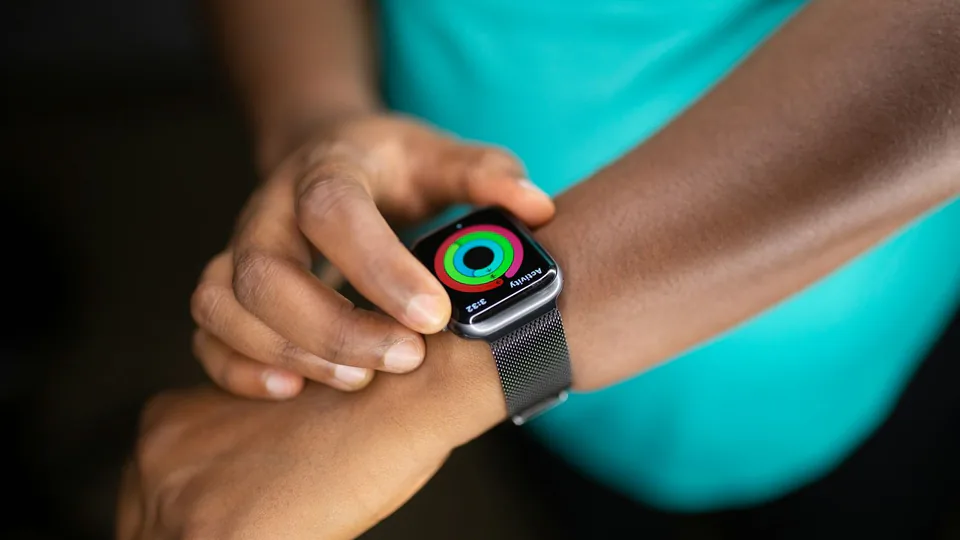
Wearable Health Technology and Health Technology Assessment
Students examine how human factors research and health technology assessment guide the design, clinical deployment, and evaluation of wearable and digital health devices. Bridging biomedical engineering, behavioral science, and health policy, projects assess device safety, efficacy, and patient-centered outcomes using evidence-based frameworks. The final research question is shaped with the mentor around the student’s background.

Public Health Research and Qualitative Methods
Students study core methodological frameworks in public health inquiry, combining structured evidence synthesis with qualitative research methods such as interviews, focus groups, and observational analysis. Projects examine health behaviors, social context, and research ethics to build rigorous, evidence-based arguments. The final research question is shaped with the mentor around the student’s background.
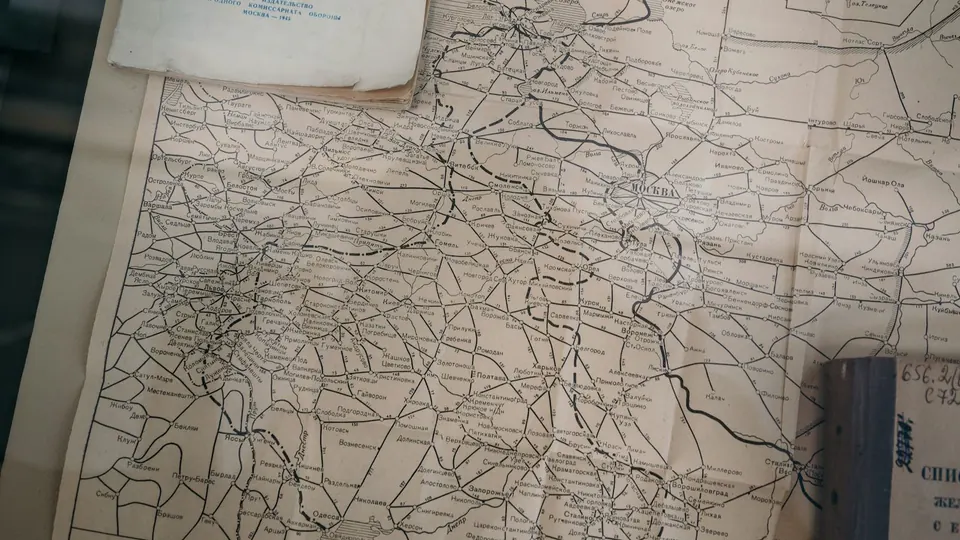
World War II in the European Theater
Students conduct rigorous historical analysis of the Second World War in Europe (1939–1945), examining the political, legal, economic, and ideological forces behind the outbreak and progression of the conflict. Research evaluates strategic turning points and debates the war’s most consequential legacies in the modern international order. The final research question is shaped with the mentor around the student’s background.
Don't see your specialty?
These are sample scopes. Mentors propose topics from their own research, in any field.
Become a Mentor →